electric pressure cooker cuisinart manual
Cuisinart Electric Pressure Cooker Manual: A Comprehensive Guide
Cuisinart’s guide ensures safe and enjoyable operation; always read the instruction book before use, covering models like CPC-800, CPC-600A, and CPC-610XA.
Understanding Your Cuisinart Electric Pressure Cooker
Your Cuisinart High Pressure Electric Multicooker is a versatile kitchen appliance designed for efficient and safe cooking. Before first use, familiarize yourself with its features and operation. This manual provides essential instructions for models CPC-800, CPC-600A, and CPC-610XA, ensuring optimal performance and longevity.
Understanding the principles of pressure cooking is key to successful results. The sealed environment traps steam, increasing internal pressure and raising the boiling point of liquids, which significantly reduces cooking times. Always adhere to safety guidelines and recipe instructions. Proper use guarantees delicious meals and prevents potential hazards. Remember to carefully read all safeguards before operation.
Model Variations: CPC-800, CPC-600A, CPC-610XA
Cuisinart offers several variations of its Electric Pressure Multicooker, including the CPC-800, CPC-600A, and CPC-610XA. While sharing core functionality, each model may have slight differences in features and capacity. The CPC-610XA, for instance, includes a dedicated Recipe Booklet offering a range of culinary possibilities.
This manual aims to provide comprehensive instructions applicable to all models, but always refer to the specific documentation included with your unit for detailed information. Understanding these nuances ensures optimal performance and safe operation. Regardless of the model, prioritizing safety and following the provided guidelines is paramount for enjoyable cooking experiences.
Initial Setup and Important Safety Instructions
Before first use, carefully read all instructions to ensure safe operation of your Cuisinart Electric Pressure Cooker. Always attach the plug to the appliance before plugging it into a wall outlet. To disconnect, turn the control to “OFF” and then unplug. This appliance is designed for household use only.
Never operate the cooker if the cord or plug is damaged. Avoid placing the unit near hot surfaces like gas or electric burners, or in a heated oven. Basic safety precautions should always be followed when using electrical appliances. Prioritize safety to enjoy continued enjoyment of this product.
Component Identification: Parts List
Your Cuisinart Electric Pressure Cooker includes several key components for optimal functionality. These typically encompass the main cooker body, the removable inner pot – crucial for food preparation – and a secure-fitting lid with a sealing mechanism. A vital part is the float valve, essential for pressure regulation and safety.
Additionally, you’ll find a pressure indicator to monitor internal pressure levels. The appliance features intuitive control buttons and a power cord. Specific models, like the CPC-610XA, may include a recipe booklet for guided cooking. Familiarize yourself with each part before initial use to ensure proper assembly and operation.

Operating Instructions
Begin by attaching the plug to the appliance, then into the wall outlet; turn the control to “OFF” before disconnecting for safe operation.
Powering On and Initial Functions
Before your first use, ensure the Cuisinart Electric Pressure Cooker is properly set up and all components are correctly in place. Begin by plugging the unit into a grounded electrical outlet. The control panel will illuminate, indicating the cooker is receiving power. Familiarize yourself with the various function buttons, including those for pressure cooking, sautéing, steaming, and slow cooking.
Initial functions often involve setting the desired cooking program and time. The display will guide you through these selections. It’s crucial to ensure the inner pot is securely positioned within the cooker base before adding ingredients and sealing the lid. Always double-check the sealing ring is properly installed to create a tight, secure closure, essential for building and maintaining pressure safely and effectively.
Pressure Cooking: A Step-by-Step Guide
Begin by adding your ingredients to the inner pot, ensuring you don’t exceed the maximum fill line. Securely close and lock the lid, verifying the sealing ring is correctly positioned for a proper seal. Select the “Pressure” function on the control panel, then choose your desired pressure level – High or Low. Set the appropriate cooking time based on your recipe, referencing recommended cooking charts for common foods.
The cooker will automatically begin to build pressure. Once pressure is reached, the cooking time will commence. Avoid disturbing the cooker during operation. Upon completion, follow recipe instructions for releasing the pressure – either Natural Pressure Release (NPR) or Quick Pressure Release (QPR), exercising caution with the latter.
Selecting Pressure Levels: High vs. Low
Cuisinart electric pressure cookers offer High and Low pressure settings, each suited for different cooking needs. High pressure, achieving a higher temperature, is ideal for tougher cuts of meat, beans, and foods requiring faster cooking times. It significantly reduces cooking duration compared to conventional methods. Low pressure is better for delicate foods like vegetables, fish, and soups, preventing overcooking and maintaining texture.
Consider the recipe’s requirements when choosing. Generally, High pressure is equivalent to 15 psi, while Low pressure operates around 7.5 psi. Adjust cooking times accordingly; High pressure cooks faster, so reduce the time. Always refer to your recipe booklet or cooking charts for specific guidance on selecting the appropriate pressure level.

Cooking Time Adjustments and Considerations
Adjusting cooking times is crucial for optimal results with your Cuisinart electric pressure cooker. Initial cooking times provided in recipes are guidelines; altitude, food temperature, and desired tenderness all influence the final result. Higher altitudes require increased cooking times due to lower boiling points. Starting with food at room temperature versus refrigerated will also affect the duration.
It’s best to slightly undercook initially, as you can always return the cooker to pressure for additional minutes. Remember to factor in the time it takes for the cooker to reach pressure and for pressure release. Always consult reliable recipes and charts, and document your adjustments for future reference.

Pressure Release Methods
Follow recipe instructions for releasing pressure after cooking is completed; options include Natural Pressure Release (NPR) and Quick Pressure Release (QPR).
Natural Pressure Release (NPR) Explained
Natural Pressure Release, or NPR, allows the pressure to dissipate gradually on its own, without intervention. This method is ideal for soups, stocks, and foods with a high liquid content, preventing splattering and ensuring more tender results.
After the cooking cycle completes, the cooker will automatically switch to a “Keep Warm” setting, and the pressure will begin to release slowly. The float valve will drop as the pressure decreases, indicating when it’s safe to open the lid.
The duration of NPR can vary significantly – from 10 to 30 minutes, or even longer – depending on the amount of liquid and the food’s density. Patience is key with NPR, as forcing the lid open before complete depressurization can be dangerous. Always ensure the float valve has fully dropped before attempting to open the cooker.
Quick Pressure Release (QPR) – Safety Precautions
Quick Pressure Release (QPR) rapidly reduces pressure by venting steam, but demands extreme caution. Begin QPR immediately upon cooking completion, following recipe instructions precisely. Carefully turn the pressure release valve to the “Venting” position – avoid touching the escaping steam, as it’s incredibly hot and can cause severe burns.
Keep hands, face, and body at a safe distance from the steam vent. Ensure the vent is clear of obstructions. QPR is suitable for foods that don’t require further cooking after pressure release, like vegetables.
Never attempt QPR if the cooker is overfilled, as this can lead to food splattering. Always allow the float valve to drop completely before opening the lid, even after QPR is finished, to confirm full depressurization.
Understanding Float Valve and Pressure Indicator
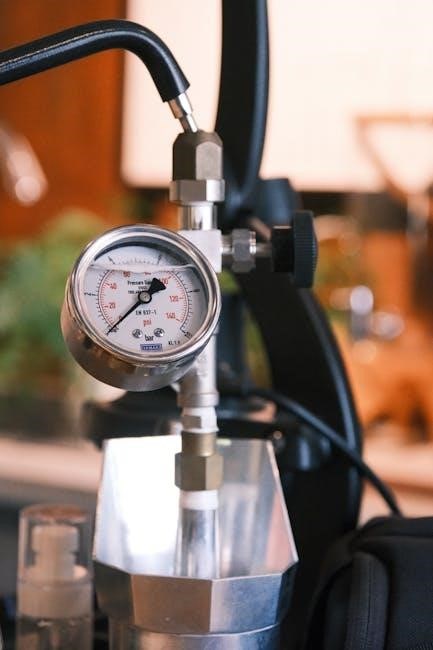
The Cuisinart Electric Pressure Cooker utilizes a float valve and pressure indicator for safe operation. The float valve, located in the lid, rises when pressure builds inside the cooker, sealing the lid and indicating pressure is being maintained. Do not attempt to force the lid open while the float valve is up.
The pressure indicator displays the internal pressure level. It will remain at a certain level during cooking, and will drop when pressure is released. Always ensure the float valve has fully dropped before attempting to open the lid, confirming complete depressurization.
Regularly check the float valve for cleanliness and proper movement. A stuck or damaged float valve can compromise safety, preventing proper sealing or pressure release.
Recipes and Cooking Charts
Cuisinart provides recommended cooking times for common foods, alongside a recipe booklet (CPC-610XA), aiding adaptation of existing recipes for optimal electric pressure cooking.

Recommended Cooking Times for Common Foods
Cuisinart electric pressure cookers significantly reduce cooking durations compared to traditional methods. For example, dried beans, typically requiring hours on the stovetop, can be perfectly cooked in approximately 25-40 minutes under high pressure, depending on the bean type and desired tenderness. Tough cuts of meat, like beef chuck or pork shoulder, benefit immensely, becoming fall-off-the-bone tender in 60-90 minutes.
Root vegetables, such as potatoes and carrots, require roughly 8-15 minutes, while poultry pieces cook in about 10-20 minutes. Rice varieties vary; white rice usually takes 3-5 minutes, while brown rice needs 22-25 minutes. It’s crucial to remember these times include the pressure build-up and release phases. Always consult specific recipes for precise timings and adjust based on your cooker model and altitude, ensuring consistently delicious results with your Cuisinart appliance.
Recipe Booklet Overview (CPC-610XA)
The Cuisinart CPC-610XA model includes a dedicated recipe booklet designed to introduce users to the versatility of electric pressure cooking. This booklet features a diverse range of recipes, spanning appetizers, main courses, desserts, and even breakfast options. Recipes are clearly laid out with ingredient lists, step-by-step instructions, and estimated cooking times, catering to both novice and experienced cooks.
The booklet emphasizes utilizing the cooker’s pre-set functions for convenience, while also providing guidance on manual adjustments for customized cooking. Expect to find recipes for classics like chili, stews, and pot roast, alongside more adventurous dishes. It serves as an excellent starting point for exploring the capabilities of your Cuisinart, encouraging experimentation and culinary creativity.
Adapting Recipes for Electric Pressure Cooking
Converting traditional recipes for your Cuisinart electric pressure cooker requires understanding liquid ratios and cooking time adjustments. Generally, reduce liquid by approximately 25-30% compared to stovetop methods, ensuring at least one cup is present for proper pressure build-up. Cooking times are significantly shorter; a good starting point is reducing conventional times by 75%, then testing for desired tenderness.
Dense foods like beans and meats require longer times, while vegetables cook much faster. Browning meats before pressure cooking enhances flavor. Remember to account for the time it takes to reach pressure and release it. Always follow recipe instructions for pressure release – natural or quick – as this impacts the final result and texture of your dish.

Maintenance and Cleaning
Regularly clean the inner pot and lid, paying close attention to the sealing ring and float valve for optimal Cuisinart performance.
Cleaning the Inner Pot and Lid
After each use, ensure the inner pot is completely cool before removing it for cleaning. The inner pot is typically dishwasher-safe, offering convenient cleanup; however, hand washing with warm, soapy water is also effective. For stubborn food residue, a non-abrasive sponge or cloth can be utilized.
The lid requires careful attention. Remove the sealing ring and float valve before washing. The lid itself is also dishwasher-safe, but hand washing preserves its quality. Inspect the lid for any damage or warping. Ensure all components are thoroughly dried before reassembling. Proper cleaning maintains hygiene and extends the lifespan of your Cuisinart electric pressure cooker.
Care of the Sealing Ring and Float Valve
The sealing ring is crucial for maintaining pressure; inspect it after each use for cracks, hardening, or damage. Hand wash the sealing ring with warm, soapy water and ensure it’s completely dry before reinstalling. Avoid using abrasive cleaners, as they can degrade the material. Replacement is recommended periodically, especially if the ring loses its elasticity.
The float valve regulates pressure release. Regularly check the valve for obstructions and ensure it moves freely. Clean it with warm, soapy water, removing any food particles; Proper maintenance of both the sealing ring and float valve is essential for safe and efficient operation of your Cuisinart electric pressure cooker, preventing leaks and ensuring consistent results.
Troubleshooting Common Issues
If the cooker doesn’t pressurize, ensure the lid is securely locked, the sealing ring is properly installed, and the float valve moves freely. “E” codes indicate errors – consult the manual for specific meanings. Food burning? Reduce cooking time or add more liquid. If steam leaks from the lid, verify the sealing ring is correctly positioned and undamaged.
For unresponsive controls, check the power connection. Always unplug the cooker before cleaning or troubleshooting. If issues persist, avoid attempting self-repair; contact Cuisinart customer support for assistance. Following these steps can resolve many common problems, ensuring continued safe and effective use of your electric pressure cooker.

Safety Features and Precautions
Cuisinart prioritizes safety; read all instructions carefully before use, avoiding common mistakes and adhering to electrical safety guidelines for optimal protection.
Avoiding Common Mistakes During Operation
To ensure safe and effective use of your Cuisinart Electric Pressure Cooker, several common operational errors should be avoided. Always ensure the lid is securely locked before initiating pressure cooking; improper locking can prevent pressure build-up or cause dangerous steam release.
Never overfill the inner pot beyond the maximum fill line, as this can lead to blockage of the steam release valve. Regularly check the float valve and sealing ring for proper function and replace them when worn or damaged.
Avoid attempting to force the lid open while pressure remains inside the cooker; always utilize the appropriate pressure release method – Natural or Quick Release – as detailed in the manual. Finally, remember to always attach the plug to the appliance before plugging it into the wall outlet, and turn the control to OFF before disconnecting.
Electrical Safety Guidelines
When operating your Cuisinart Electric Pressure Cooker, strict adherence to electrical safety is paramount. Always ensure the voltage of your outlet matches the appliance’s rating to prevent damage or fire hazards. Never immerse the cooker base, cord, or plug in water or other liquids.
Avoid using extension cords; if one is absolutely necessary, ensure it’s appropriately rated for the cooker’s wattage. Regularly inspect the power cord for any signs of damage, and discontinue use if fraying or exposed wires are detected.
To disconnect, turn the control to OFF before removing the plug from the outlet – never pull on the cord. Do not operate the appliance with a damaged cord or plug, and always seek qualified service for repairs.
Foods Not Suitable for Pressure Cooking

Certain foods are not recommended for pressure cooking due to potential safety concerns or undesirable results. Avoid cooking foods that produce large amounts of foam, like applesauce, cranberries, pearl barley, oatmeal, or split peas, unless a recipe specifically addresses foam reduction.
Do not pressure cook broccoli, cabbage, spinach, or other leafy greens in large quantities, as they expand significantly during cooking. Whole nuts and hard-shelled seafood should also be avoided.
Cuisinart advises against pressure cooking oil-based recipes without sufficient liquid, and always follow tested recipes for safe and optimal outcomes.