smith and wesson owners manual
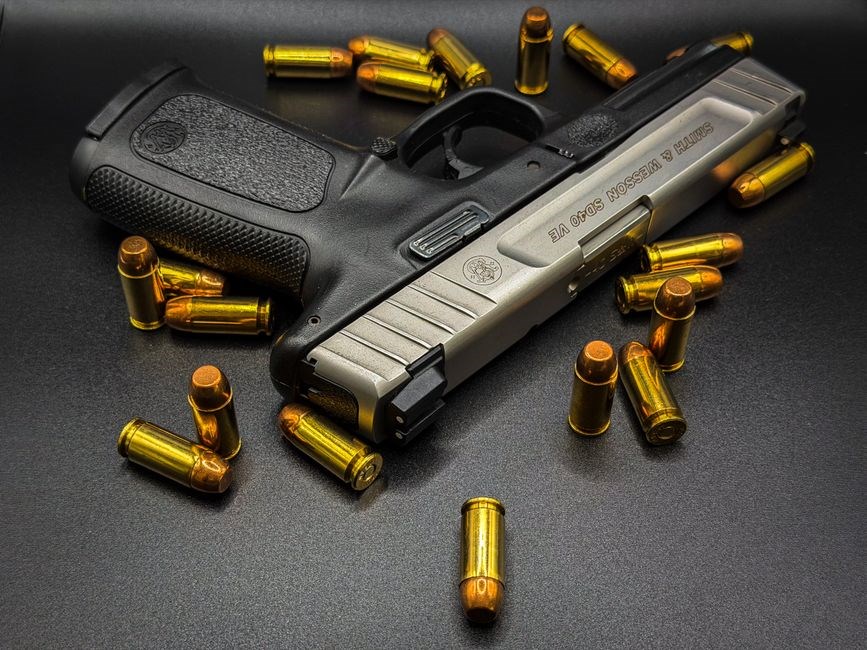
The Smith & Wesson owners manual offers comprehensive guidance on safe operation, maintenance, and troubleshooting. It details assembly steps, safety protocols, cleaning routines, and part replacement instructions to ensure reliable performance. It also covers troubleshootingtips

Safety Guidelines
Follow these safety guidelines: keep the firearm pointed in a safe direction, verify chamber status before handling, store unloaded, use proper eye and ear protection, keep your finger off the trigger until ready, and always respect local laws. Follow all safety protocols.!!!

Safe Handling Practices
Smith & Wesson’s owners manual stresses that safe handling starts with a clear understanding of the firearm’s operating cycle. Treat the gun as if it is loaded, keep the muzzle pointed in a safe direction, and verify the chamber is empty before any manipulation. When loading, use a proper magazine or insert the cartridge with a clean, dry finger, never force the round into the chamber. Keep the trigger finger off the trigger until the firearm is in a ready position and the target is verified. Store the firearm in a locked safe or a secure case, separate from ammunition, and ensure the safety lever is engaged when not in use; Always inspect the firearm for damage or wear before each use; if any part is cracked, bent, or otherwise compromised, do not use the gun. During use, maintain a firm grip, keep the sight picture aligned, and avoid sudden movements that could cause a misfire. If a misfire occurs, do not attempt to fire again immediately; instead, unload the firearm, inspect for obstruction, and re‑load only after confirming the chamber is clear. When traveling, secure the firearm in a locked container and transport it in a separate compartment from ammunition. Follow all local, state, and federal regulations regarding possession, transport, and use of firearms. Finally, keep the manual in a readily accessible location for quick reference during maintenance or troubleshooting. Use the manual as a reference guide for all aspects of firearm care, handling, and compliance. Adhering to these guidelines ensures safety, longevity, and legal compliance for all Smith & Wesson owners. Stay safe. Always.

Operational Overview
Smith & Wesson firearms are engineered for precision, reliability, and operation. The manual begins by outlining the basic operating cycle: loading, chambering, firing, extraction, and ejection. Each cycle step is illustrated with clear diagrams and step‑by‑step instructions. The loading procedure requires a properly seated magazine or a single cartridge inserted into the chamber using a clean, dry finger. Once the firearm is loaded, the safety lever or selector must be engaged or disengaged according to the model’s design. The manual stresses the importance of maintaining a firm grip and aligning the sights before pulling the trigger. The trigger pull is described as smooth and consistent, with a recommended pull weight that varies by caliber and model. Smith & Wesson’s design incorporates a double‑action trigger system, and the manual explains how to toggle between modes if applicable. The firing sequence is followed by a rapid extraction and ejection cycle that clears spent casings. The manual also covers the use of the slide lock, and the bolt release providing troubleshooting tipsfor common issues failure to fire or double‑feeds. Finally, the section concludes with a summary of key operational points, emphasizing the importance of regular, proper sight alignment, and adherence to the manufacturer’s recommended parameters to ensure safe and effective use of the firearm.

Maintenance and Cleaning
Smith & Wesson firearms demand regular cleaning to preserve reliability. Disassemble the slide, clean barrel, chamber, and recoil spring with solvent and brush. Dry all parts, apply a light coat of oil to moving components, and reassemble. Inspect for wear before each use. Now!!
Cleaning Procedure
Cleaning your Smith & Wesson firearm is essential for safety and performance. Begin by ensuring the weapon is unloaded and the chamber is clear. Remove the slide and disassemble the bolt or slide assembly according to the model’s specific instructions. Use a solvent‑based cleaner to soak the barrel, chamber, and spring quickly and efficiently. After soaking, employ a stiff brush to scrub away carbon deposits, paying special attention to the rifling and the extractor. Rinse the barrel with clean solvent, then it thoroughly with a cloth. Apply a thin layer of oil to the slide rails, bolt face, and any other moving parts to prevent corrosion. Reassemble the firearm, ensuring all components are seated correctly and the slide locks properly. Finally, perform a function check to confirm that the gun operates smoothly and that the cleaning process has not introduced any new issues. Regular cleaning not only extends the life of your weapon but also ensures reliable operation in use. For routine maintenance, schedule a cleaning after every 50 rounds or after exposure to harsh environments. When cleaning the barrel, use a brass brush and a cleaning rod to remove fouling. For the spring, gently disassemble and clean with a solvent, then reapply a light coat of oil. Inspect the extractor and ejector for wear; replace them if they show signs of damage. Keep a cleaning kit organized and store it in a dry area.
Lubrication

Lubrication is a critical step in maintaining the reliability and longevity of a Smith & Wesson firearm. The manual recommends a light, high‑quality oil applied to all moving parts, including the slide rails, bolt face, extractor, and recoil spring. Use a small brush or a cotton swab to apply a thin film, ensuring the oil does not attract dust or debris. Avoid over‑oiling, which can lead to fouling and reduced performance. After cleaning, wipe away excess oil with a clean cloth. For the barrel, a minimal amount of oil is sufficient; too much can interfere with the chamber seal. The recoil spring should receive a light coat, but not so much that it becomes sticky. Inspect the oil level regularly, especially after heavy use or exposure to moisture. If the firearm has been stored for an extended period, re‑lubricate before firing to ensure smooth operation. The manual also advises using a dedicated firearm oil rather than automotive or industrial lubricants, as these can damage the metal surfaces. Proper lubrication reduces wear, prevents rust, and ensures that the trigger mechanism remains responsive. Follow the manufacturer’s recommended intervals: after every 50 rounds or after each cleaning session. Consistent lubrication practices help maintain the firearm’s performance and safety over its lifespan. Regular lubrication protects parts boosts reliability, ensuring performance!
Storage and Transportation
Proper storage and transportation of a Smith & Wesson firearm are essential for safety and preservation. The manual requires the gun to be unloaded, chamber inspected, and magazine removed before any storage or transport. Use a lockable case or safe to protect the firearm from accidental discharge, tampering, and environmental damage. The case should be padded and designed to accommodate the specific model, ensuring slide, barrel, and trigger remain free of undue pressure. For long‑term storage, maintain a stable temperature between 50°F and 70°F (10°C–21°C) and relative humidity of 30–50 %. Excess moisture can cause corrosion, while extreme dryness can lead to static buildup. When transporting, place the firearm in a locked container that meets local and federal regulations. Store the gun in a non‑magazine, non‑powder form, with safety engaged, and keep ammunition separately in a locked container. Position the barrel safely, typically pointing toward the ground or a neutral surface. Label the case with owner’s name, contact info, and a brief description. This aids quick identification in case of loss or theft. Check the firearm’s condition before and after transport, inspect for damage or wear, and ensure components remain lubricated. Following these guidelines reduces risk of accidental discharge, protects from environmental factors, and maintains performance and safety. !

Troubleshooting Common Issues
Common issues include misfires, failure to feed, and bolt lock‑up. Check the chamber, ensure proper cartridge seating, inspect the feed ramp. Clean the extractor and ejector, lubricate moving parts, verify the trigger spring tension. If problems persist, consult service —manual!!!
Misfire Issues
When a Smith & Wesson firearm misfires, first confirm the chamber is empty and the bolt is fully closed. Inspect the cartridge for damage or improper seating; a bent rim or partially seated primer can cause a misfire. Verify the magazine functions correctly—remove and reinsert it, ensuring feed lips are clean and the spring is intact. Check the extractor and ejector for fouling or wear; a sticky extractor can prevent proper ejection, leading to a misfire. Clean the chamber and barrel with a suitable cleaning rod and solvent, paying special attention to chamber walls for residue buildup. Lubricate the bolt and trigger components with a light oil to ensure smooth operation. If the misfire persists, examine the firing pin for damage or obstruction; a bent or dull pin may fail to strike the primer. Replace the firing pin if necessary. For double‑action cycles, check hammer spring tension; a weak spring can cause insufficient hammer velocity. Inspect the trigger guard for debris that may impede the trigger pull. For revolvers, ensure the cylinder is properly aligned and the cylinder stop is engaged. For semi‑automatic pistols, verify the recoil spring is not compressed by a foreign object. If the misfire persists, test with a known good cartridge. If unresolved, contact an authorized Smith & Wesson service center for a detailed inspection or potential replacement of internal components. Ensure the firearm is stored in a cool, dry place away from sunlight!!
Failure to Feed
When a Smith & Wesson firearm fails to feed, begin by inspecting the magazine for proper insertion and integrity. Ensure the magazine is fully seated, the feed lips are clean, and the spring is not damaged. Remove the magazine and inspect the cartridge cases for deformities or obstructions that could impede feeding. Verify that the bolt or slide is fully retracted and that the chamber is clear of debris. Clean the feed ramp and extractor with a solvent and a soft brush to remove fouling. Check the recoil spring for correct tension; a weak spring may not provide sufficient force to cycle the action. Inspect the bolt face and extractor for wear or damage; a worn extractor can fail to engage the cartridge rim. For semi‑automatic pistols, confirm the trigger pull is smooth and that the hammer is not stuck. For revolvers, ensure the cylinder is properly aligned and that the cylinder stop engages correctly. If the firearm uses a detachable magazine, test with a known good magazine to rule out magazine faults. If the failure persists, examine the firing pin and trigger components for obstruction or wear. Lubricate the moving parts lightly with a suitable oil to promote smooth operation. If the issue remains unresolved, contact an authorized Smith & Wesson service center for a detailed inspection or potential replacement of internal components. Proper maintenance and regular cleaning are essential to prevent feeding problems and ensure reliable performance. Additionally, inspect the magazine well for scratches or burrs that could hinder cartridge alignment. Ensure the slide stop lever is functioning correctly and that the slide does not bind. If the firearm has a decocking lever, verify it is not jammed. Periodic use of a cleaning solvent that dissolves carbon buildup can prevent feeding issues. Finally, perform a dry run by cycling the action without a magazine to confirm the mechanical integrity of the feed cycle. After completing these steps, reassemble the firearm, ensuring all pins and springs are correctly seated, and perform a test fire in a safe environment to verify that the feeding mechanism operates smoothly under load. If issues persist, contact Smith & Wesson or gunsmith for repair immediately quickly today.

Parts and Accessories
Smith & Wesson offers a range of replacement parts and accessories, including grips, sights, triggers, and slide rails. Authorized dealers provide OEM components, while aftermarket options offer customization. Follow the manual for proper installation and safety.All parts safe!
Replacement Parts
Smith & Wesson firearms rely on high‑quality OEM components to maintain performance and safety. The owners manual catalogs every part—barrels, slides, frames, triggers, safety levers, recoil springs, and extractor pins—each identified by a unique part number and serial stamp. When ordering replacements, verify the model and part code to ensure compatibility; installing a non‑OEM trigger or recoil spring can alter trigger pull and compromise reliability. The manual provides step‑by‑step disassembly instructions, emphasizing thorough cleaning and proper lubrication before reassembly. Replacement springs must be tensioned to the manufacturer’s specifications; a spring that is too loose can cause misfires, while one that is too tight can impede cycling. The manual also recommends using only OEM or equivalent parts that meet the same material and hardness standards. After installing new parts, the firearm should be tested in a safe environment, verifying that the trigger pull, safety engagement, and slide cycling operate correctly. If any abnormal behavior occurs, the manual advises consulting a qualified gunsmith. By following these guidelines, owners can preserve the reliability and safety of their Smith & Wesson firearms for years of use.
Optional accessories, such as ergonomic grips, adjustable sights, and cleaning kits, are also listed in the manual. Replacement grips come in synthetic, rubberized, or wood options, each affecting weight distribution and feel. Adjustable sights—including night sights and laser modules—can be swapped for improved target acquisition. Cleaning kits with solvent, oil, and brushes are recommended to maintain barrel and slide integrity. All accessories must be installed per torque specifications and safety checks to ensure continued reliability!!
Accessory Options
The Smith & Wesson owners manual lists a range of accessories that improve ergonomics, accuracy, and style. Grip options include polymer or wood grips that fit the standard 1‑inch trigger guard, available in smooth, ribbed, or rubberized textures for better handling. The manual details adjustable sights—night sights, laser modules, and fiber‑optic sights—each with specific mounting screws and torque settings. For tactical use, mounting rails accept lights, lasers, and foregrips, ensuring secure attachment. The manual also covers compensators or muzzle brakes on compatible models, noting recoil and muzzle rise effects; A recommended cleaning kit—solvent, oil, and brushes—fits the barrel and slide. Optional holsters, storage cases, and recoil pads are listed with part numbers and installation guidelines to maintain reliability and safety
Optical upgrades are covered; the manual lists compatible red‑dot sights and scopes for the Picatinny rail, specifying lens size and mounting brackets to preserve zero. Trigger upgrades are also mentioned, offering aftermarket triggers that reduce pull weight while keeping safety and firing pin integrity. The manual cautions that trigger modifications must be performed by a qualified gunsmith and that the firearm should be recalibrated afterward. Barrel extensions for certain models are listed, allowing users to adjust barrel length for specific shooting applications while maintaining balance. All accessory options include torque specs, recommended tools, and safety warnings for proper installation. All accessories meet safety standards

Warranty and Service
The Smith & Wesson owners manual outlines a comprehensive warranty structure that covers manufacturing defects, material failures, and workmanship issues for a period of five years from the date of purchase; The warranty is limited to the original purchaser and is non‑transferable. It does not cover damage caused by misuse, accidental discharge, or unauthorized modifications. For service, the manual directs owners to authorized Smith & Wesson repair centers, which provide inspection, repair, and parts replacement under warranty. Customers may also use the manufacturer’s online service portal to submit a claim, track status, and receive updates. The warranty includes a free replacement of any defective component, such as the trigger, slide, or barrel, provided the defect is reported within the warranty period. For extended coverage, owners can purchase an additional warranty plan that extends protection up to ten years and adds coverage for accidental damage.
The warranty also covers shipping for replacement parts, and the service center will provide a prepaid label. All repairs are performed by certified technicians following the manufacturer’s quality standards. If a part is defective, it will be replaced at no cost. The warranty period is void if the firearm is altered or used improperly. For questions, contact the Smith & Wesson support and they will guide you through claim process !